FMCG Business Systems in Kenya: CRM, Payroll, Accounting & HR Explained
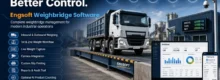
FMCG ERP Software Kenya: CRM, Payroll & HR | Engsoft If you run a fast-moving consumer goods (FMCG) business in Kenya — crisps, drinks, cosmetics, household goods, anything that moves through dukas, wholesalers and supermarkets in high volume — you already know the real challenge isn’t making the product. It’s running the business behind it: agents on routes, shops to track, orders to confirm, commissions to calculate, and payroll to run at the end of it all. Most Kenyan FMCG companies still stitch this together from a CRM here, a payroll spreadsheet there, and a WhatsApp group for field updates. It works, until it doesn’t — until a delivery isn’t recorded, a commission is miscalculated, or nobody can say with certainty what sold, where, and to whom last month. This is where a connected FMCG ERP system — one platform covering field sales, CRM, payroll, HR and financial visibility — changes how an FMCG business runs day to day. What Kenyan FMCG companies actually need from their systems Most software addresses one of these at a time. An FMCG business ends up with a CRM that doesn’t talk to payroll, and a payroll system that has no idea what an agent actually sold that week. FMCG CRM Kenya: Built Around Shops and Orders, Not Generic Contacts A generic CRM manages “contacts.” An FMCG CRM needs to manage something more specific: the company, its product catalogue (crisps, drinks, whatever the SKUs are), shop-level contacts, and every order tied back to a route and an agent. EngsoftFMCG ERP builds its CRM around exactly this structure. It holds the company, the products, the shop contacts, and every order placed. When a fulfiller confirms a delivery, that confirmation records the sale — so the business has an accurate, real-time picture of what was sold and to whom, without anyone manually reconciling a spreadsheet at month-end. That matters for a Kenyan FMCG business specifically because the sales motion is rarely a single call-and-close. It’s agents visiting shops on assigned routes, team leaders overseeing groups of agents, and fulfillers closing the loop by confirming stock actually reached the shop. A CRM that doesn’t reflect that structure ends up being a system nobody trusts. FMCG Payroll Software Kenya: Paying People for Completed Work Payroll is where a lot of FMCG businesses in Kenya quietly lose money — not through fraud, but through disconnect. Commission gets calculated from an agent’s own report of what they sold, rather than from confirmed deliveries. Team leaders get paid on team totals that nobody has actually verified. FMCG payroll software should close that gap by pulling directly from confirmed sales data. Engsoft FMCG ERP’s payroll module pays salary, allowances, commission, or daily and weekly rates — including commission on an individual agent’s own sales, or on a team’s sales for team leaders. Because delivered orders feed payroll directly, pay reflects completed, confirmed work rather than a guess or a self-report. For finance teams, this is the difference between running payroll from trusted numbers and running it from hope. FMCG HR Software Kenya: Managing a Field-Based Workforce FMCG HR looks different from office-based HR. The workforce is distributed — agents on routes, team leaders across regions, fulfillers at depots — and the employee lifecycle needs to account for that: onboarding a new agent onto a route, tracking who’s assigned where, and keeping personnel records current without everything running through head office manually. Engsoft’s broader HR software solutions (HRMS) cover the complete employee lifecycle for exactly this kind of distributed team, and pair naturally with EngsoftFMCG ERP’s field-sales and payroll data — so HR records and the people actually earning commission in the field stay in sync, instead of living in two separate systems that never quite agree. FMCG Accounting Software Kenya: Visibility That Starts With the Sale “FMCG accounting” isn’t really solved by a better spreadsheet — it’s solved by better data going into the books in the first place. If a sale is only recorded when a fulfiller confirms delivery, then what reaches accounting is a true record of what moved, not an agent’s estimate or a delayed manual entry. That’s the real accounting win from a connected FMCG system: fewer reconciliations, fewer disputes over what was “actually” sold, and a sales ledger that reflects confirmed deliveries rather than optimistic forecasts. For finance teams working alongside an existing accounting package, that kind of clean, confirmed sales data is often the single biggest improvement they can get from field operations — no more chasing agents for numbers that don’t match what the fulfiller recorded. Why One Connected Platform Beats Separate Spreadsheets Put field sales, CRM, payroll, HR, and financial visibility on separate tools, and someone in the business becomes the manual bridge between them — usually finance, usually at month-end, usually under pressure. Put them on one connected system, and the bridge disappears: That’s the model Engsoft FMCG ERP is built around: find shops, take orders, deliver stock, and pay the team — one system, one source of truth. About Engsoft FMCG ERP Engsoft FMCG ERP is the field-sales operating system built for FMCG companies operating in Kenya’s route-to-market reality. It brings together: It’s built by Engsoft, a Kenya-based business infrastructure provider that also supplies HRMS, payroll, and broader business systems — so FMCG companies that need CRM, payroll, HR and operational visibility in one place have a single vendor to work with instead of five. Ready to see it on your own routes and shops? Visit www.engsoft.co.ke · Email info@engsoft.co.ke · Call 0737 707 501 Frequently Asked Questions What is the best FMCG ERP software in Kenya? The right FMCG ERP for a Kenyan business is one that connects field sales, CRM and payroll rather than treating them as separate tools. Engsoft FMCG ERP is built specifically around this — routes, shops, orders and pay all draw from the same confirmed data. Does Engsoft FMCG ERP handle payroll for commission-based agents? Yes. It pays salary, allowances, commission, or daily/weekly rates, including